Sunflower Digital Papers, Floral Papers
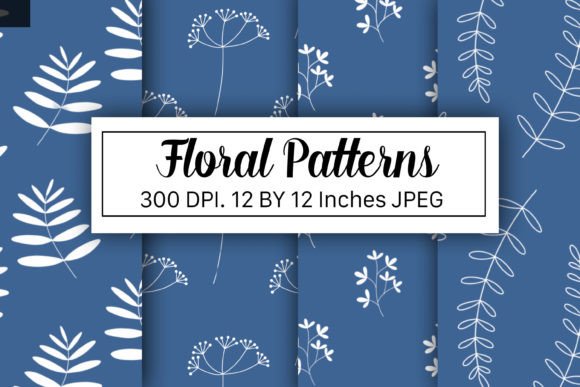
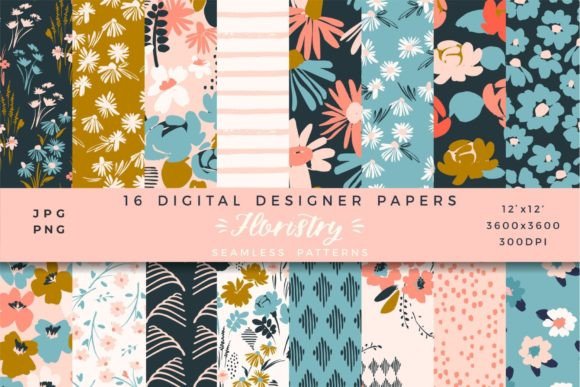
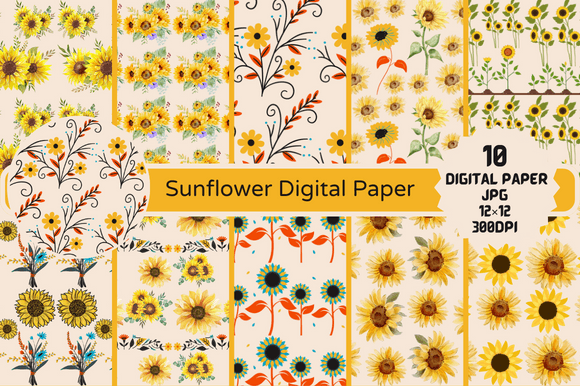
If you're building mood boards, designing invitations, or assembling a seasonal product line, Sunflower Digital Papers, Floral Papers delivers warmth, texture, and quiet sophistication—not just decoration, but design intention. These aren’t generic floral repeats pulled from a stock library. Each pattern breathes with organic rhythm: soft sunflower motifs layered over delicate vines, subtle watercolor bleeds, and hand-drawn botanical elements that avoid cliché. The palette leans into earthy ochres, sage greens, and creamy off-whites—colors that feel grounded, not saccharine. There’s no harsh contrast or digital glare. Instead, there’s gentle variation in stroke weight, slight irregularities in petal placement, and intentional negative space that lets your text or photos sit comfortably on top.
Where These Patterns Earn Their Place
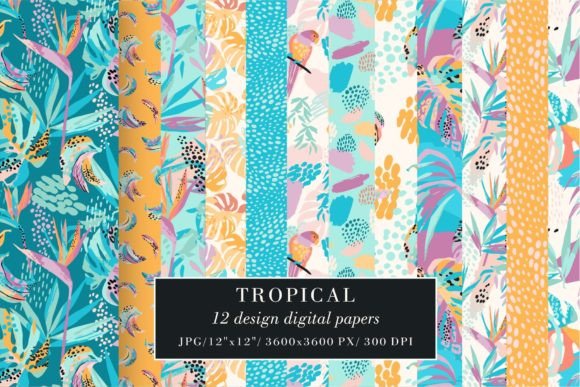
This pack of 10 Halloween digital paper backgrounds works far beyond October. Yes, they’re perfect for spooky party invites or themed stickers—but their real strength lies in versatility rooted in craft. Because each is a seamless pattern, they scale cleanly across formats: wrap them around a small greeting card or tile them across a 24×36-inch poster without visible breaks. At 12×12 inches and 3600×3600 pixels (300 DPI), they hold up crisply in print—whether you’re printing on kraft paper for rustic wedding stationery or laying them beneath die-cut vinyl for boutique packaging.
Designers use these as base layers in editorial layouts—think lifestyle magazine spreads where the background adds texture without competing with body copy. Marketers layer them behind social media graphics to add tactile depth to flat digital spaces. Small business owners apply them to printable planners, gift tags, or even as subtle overlays in email headers. Crafters stitch them into fabric-printed tote bags or trace motifs for hand-lettered journal covers. The key isn’t “more pattern,” but better context: a floral paper that supports your message instead of obscuring it.
Why Seamless Matters—Beyond Aesthetics
A seamless pattern isn’t just convenient—it changes how your audience experiences your work. When a repeat aligns perfectly at its edges, the eye doesn’t snag. That continuity supports visual hierarchy: your headline stays dominant; your call-to-action remains legible. In contrast, a poorly tiled background creates visual noise—tiny fractures that subconsciously fatigue the viewer, especially on screen.
These Sunflower Digital Papers, Floral Papers were built with that principle in mind. Each JPG was tested across multiple tiling scenarios—not just in Photoshop, but in real-world tools like Canva, Affinity Designer, and even print-on-demand platforms. You won’t need to crop, rotate, or manually blend edges. Just drag, drop, and scale. That saves time, yes—but more importantly, it preserves consistency across touchpoints. Whether your customer sees your brand on an Instagram Story, a printed coupon, or a handmade label, the underlying texture feels cohesive, intentional, and quietly confident.
Practical Pairing & Placement Tips
Don’t treat these papers as standalone decor. Think of them as collaborative surfaces—partners to typography, photography, and illustration. For example:
- For invitations: Use a lighter floral paper (like the pale sunflower-and-lavender repeat) as a full-bleed background, then overlay crisp, modern sans serif type in charcoal gray. The contrast between organic texture and clean letterforms creates instant balance.
- For scrapbooking: Choose a bolder pattern (say, the deep maroon vine motif) as a mat behind a photo—then echo one of its accent colors in your journaling pen or ribbon trim. That kind of subtle color threading builds visual unity without matching.
- For digital marketing: Apply a low-opacity version (30–40%) as an overlay on a hero image. It adds dimension without washing out your subject—especially effective for wellness brands, artisanal food labels, or home goods.
Test readability early. Drop your body text onto the paper at actual size—and check it on both desktop and mobile. If letters blur or disappear into busy areas, adjust opacity, add a light drop shadow, or choose a quieter pattern from the set. Not every paper suits every use case—and that’s by design. Having 10 options means you can match intent to outcome, not force a single look across everything.
Licensing That Fits Real Work
All 10 patterns are licensed for both personal and commercial use—no hidden limits, no per-project fees. That means you can use them in client work (logos, brochures, Shopify banners), sell physical products featuring the designs (stickers, notebooks, fabric), or include them in digital templates you distribute on Creative Market or Etsy. What’s not covered? Reselling the JPG files themselves as standalone assets or claiming authorship of the original artwork. But within those clear boundaries, the license reflects how creatives actually work—not how stock libraries wish they did.
You’ll also notice thoughtful file handling: no layered PSDs cluttering your download, no confusing naming conventions. Just 10 cleanly labeled JPGs, all sized identically, ready to open in any tool you already use. No conversion needed. No guesswork about resolution or bleed. That kind of practicality matters when you’re juggling deadlines, client revisions, and three other projects before lunch.
Final Thought: Texture With Purpose
Digital papers often get reduced to “pretty filler.” But Sunflower Digital Papers, Floral Papers operate differently—they’re design decisions disguised as background. They carry tone. They signal care. They whisper “handmade” without requiring hours of manual labor. And because they’re rooted in natural forms—not trends—they age well. A project designed with these papers today will still feel considered, calm, and cohesive two years from now.
That longevity isn’t accidental. It comes from understanding that great design assets don’t shout. They support. They settle in. They make the work around them look more intentional—not because they’re flashy, but because they’re thoughtfully made, technically sound, and quietly versatile. Whether you’re sketching a concept on paper or shipping a thousand units to customers, that kind of reliability is rare. And worth keeping close.